


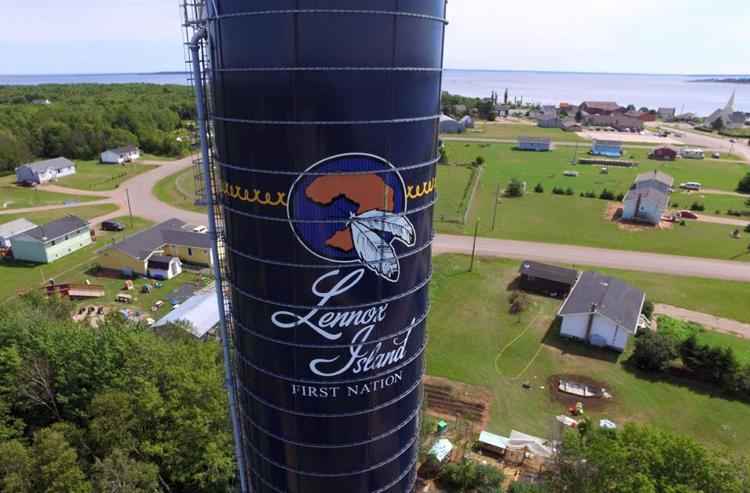
This is the fourth year the treaty protected fishery has been in operation on Lennox Island, something outgoing Chief Darlene Bernard said has been great for residents of the First Nations community.
“We have 15 families who are benefiting, getting their bills paid, and getting fed, and being able to have a little bit of money left over to do fun things in life that everybody wants to be able to do,” she said. “We don’t want anything more than that.”
The treaty fishery first began in 2022, with 10 fishers and 1,000 traps, with the same number of traps and fishers in 2023. This time, there are 15 fishers taking part with 1,500 traps, the same number as last year.
Treaty protected fisheries were recognized by the Supreme Court of Canada (SCC) in 1999 following the Marshall Case, also known as Marshall I, a landmark ruling in Indigenous treaty rights in Canada. In 1993, Donald Marshall Jr, a Mi’kmaq man from Membertou, Nova Scotia, was charged and convicted of fishing and selling eels without a license and fishing during the closed season with illegal nets.
In September 1999, the Supreme Court of Canada reversed his convictions, and recognized and affirmed the hunting and fishing rights of the Mi’kmaq promised in the Peace and Friendship Treaties, signed between the British and the Mi’kmaq, Wolastoqiyik and Peskotomuhkati in 1760–61.
On Lennox Island, the first three years of the fishery went relatively well, without any major issues, but there are tensions this year after DFO seized 100 lobster traps each from three fishers. Another 58 traps were seized on June 8.
“It’s illegal for them to touch any one of those treaty protected fishery traps, they belong to the First Nation,” said Bernard.
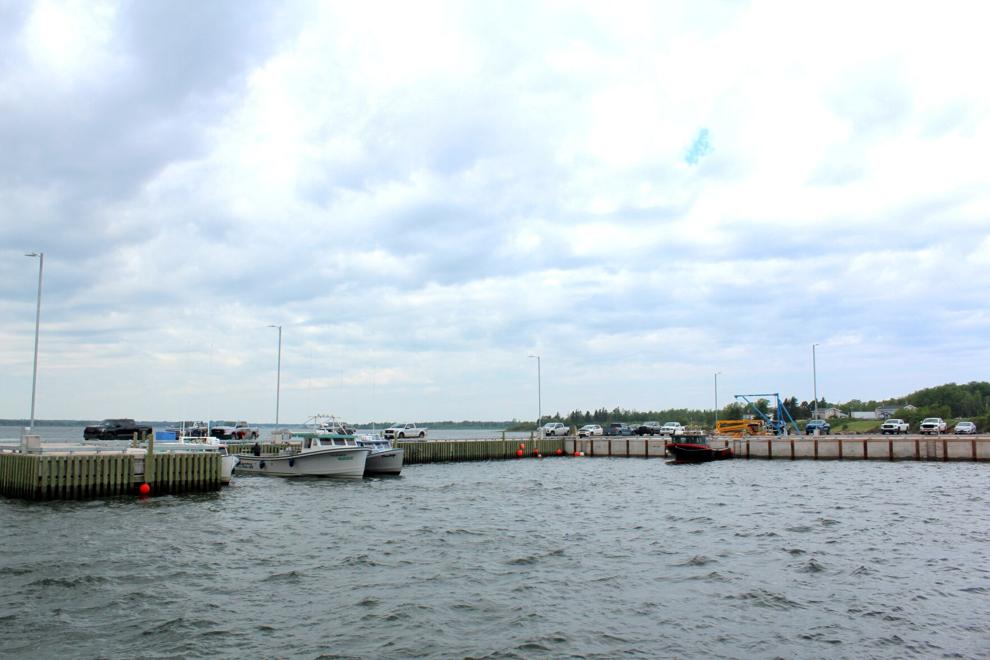
She said the traps were tagged identifying as belonging to the First Nation.
“We have our tags on them, and we’ve always used our tags, and then this year, they’re trying to tell us that our tags are not good,” said Bernard. “And I’m like ‘What the heck?’ Like, they were good the last three years, but all of a sudden they’re no good anymore?”
The Graphic spoke with a member of Lennox Island who is taking part in the treaty fishery, but will not be revealing their name over concern for reprisal or repercussions against them.
“It’s quite frustrating, and it puts more strain on us as fishers trying to provide a living for our families,” they said. “We’ve all got kids, we’ve all got bills, we’ve all got boat payments and everything else, the same as everybody else. It’s hard to make those payments, pay those bills.”
In a second decision, known as Marshall II, the SCC clarified the federal government may limit the right through regulation, but only for important public purposes, including conservation or other compelling and substantial public objectives. The federal government must also consult with the Mi’kmaq before trying to impose limitations, including any attempt to limit the Mi’kmaq fishery to set seasons.
Bernard said none of that happened prior to the trap seizures. She said she’s received the same response every time she’s reached out to DFO about the matter, that the department was only authorizing 1,000 traps this year.
“We will see DFO in court, because this fight is not with the fishermen, it’s not with communities, our neighbours, or anybody, this fight is with DFO,” she said. “We’ve had an initial meeting with our legal counsel to start looking into what we have to do to put in a claim against the above.”
The recent seizures aren’t the only issue treaty fishers have been dealing with.
“It’s just been a rough go with people being hostile on the water, getting gear cut for no reason,” said the fisher, who had 36 traps stolen the week prior. “We go out there to go fishing and (the gear isn’t) there, and it wasn’t DFO that took them. It’s pretty difficult to pay the bills and get things done.”
The fisher said in general, they enjoy fishing, adding it’s a great job and a great experience.
“I usually take my son out with me, and it’s made it hard to even bring family out because you don’t know what’s going to happen from day to day on the water,” they said. “It used to be an enjoyable experience. This year is the only year that’s been really difficult and things have been hostile.”