

L’nuey and Parks Canada are in the process of appointing two different boards to co-manage PEI National Parks and Parks Canada administered National Historic Sites (NHS) and the newly established Pituamkek National Park Reserve (PNPR).
Jenene Wooldridge, executive director of L’nuey, said the Mi’kmaq sees this partnership as a return of the rights of Indigenous people to look after the land.
“Our goals are to honour our ancestors, build opportunities for the next generation and ensure the lands are protected,” Wooldridge said.
She said the board will consist of five members, two chosen by Mi’kmaq Epekwitnewaq Kapmntemuow, another two by Parks Canada and both will choose a chair.
Mi’kmaq have had a long-standing partnership with Parks Canada and the concept of the co-management model was being discussed since the early 2000s and formally signed in 2024. The partnership will ensure Mi’kmaq voices are heard, she said.
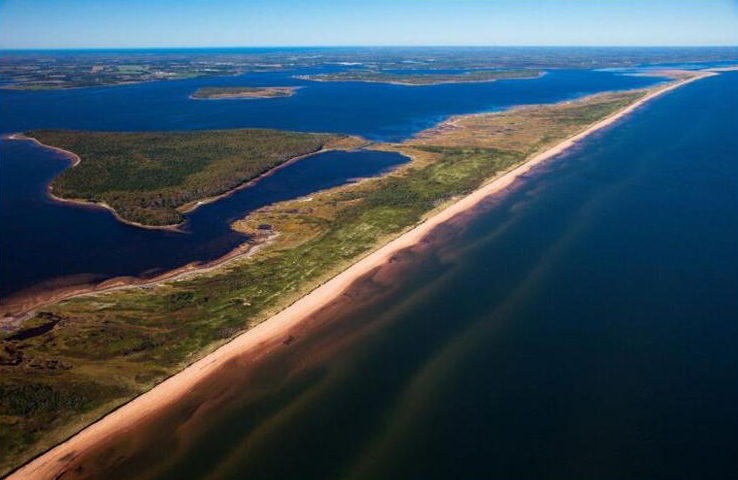
One board will manage PNPR, a 50-kilometer-long protective barrier along PEI’s northwestern shoreline which holds ecological and cultural importance to the Mi’kmaq.
This island chain is also home to one of the most ecologically significant coastal dune ecosystems in Canada.
The co-management teams will receive advice from the boards on how to protect the landscapes and species and create economic opportunities while respecting the Indigenous culture and tradition, and not overdeveloping the lands, said Gèraldine Arsenault, field unit superintendent Prince Edward Island, who has been working closely with L’nuey in this partnership initiative.
The co-management would handle tours for visitors and scientific studies while ensuring cultural practices are respected and the lands are accessible to the elders, Arsenault said.
Some of the major duties of the board members for PNPR would be completing assessments of the state of the park including ecological and cultural integrity, developing and approving guidelines, protocols and measures for care, protection and enjoyment, research, and monitoring and developing and approving policies for the issuance of permits, licenses and other authorizations for access.
The other board will manage National Parks like Greenwich, Cavendish-North Rustico, and Brackley-Dalvay, along with Dalvay-by-the-Sea and national historic sites Ardgowan, Skmaqn — Port-la-Joye — Fort Amherst, Province House and Green Gables Heritage Place.
“The approach of the two boards will be different, but the goal is the same. Ecological and cultural preservation,” Arsenault added.
And for the board of PEI National Park and Historic Sites, the goals are implementation of integrated resource stewardship and harvesting plans, process for the identification and management of sacred places, community event sites and burial sites, incorporation of Epekwitnewaq Mi’kmaq history, culture and language into relevant programming and products and repatriation of Epekwitnewaq Mi’kmaq archaeological artifacts.
Board members will serve a four-year term. The time commitment is up to 12 days per year for members and 20 days per year for chairs, with an annual retainer of $5,000 for members and $7,000 for chairs.
Wooldridge said they are still in the process of appointing the board members.
The land has always been under the stewardship of the Indigenous people. They looked after the land; they respected the land and waters, and they only took what they needed from the land, Wooldridge said.
She is excited to have tourists from all over the world visit and learn about the unique characteristics and cultural significance each protected land has.
This is a powerful step forward to ensure the Indigenous culture and stories are brought to the forefront, she added.
Arsenault said the next few years will be spent implementing the co-management model by integrating the Mi’kmaq way of stewardship in the existing parks, while Pituamkek National Park Reserve will be built from scratch even though the land has been in existence forever.
“We’re going to follow the Mi’kmaq approach. Not asking the earth more than what earth can give,” she said.